


-

Add: HeBei ShengShi HongBang Cellulose Technology CO.,LTD.
-

Email
13180486930@163.com -

CONTACT US
+86 13180486930



The Role of Manufacturers in the Production of PP Fiber Polypropylene (PP) fiber has gained significant popularity in the textile and industrial sectors due to its unique properties, including lightweight, durability, and resistance to moisture and chemicals. This versatile material is commonly used in various applications, from clothing to carpets and industrial packaging. The manufacturers of PP fiber play a crucial role in ensuring the quality, efficiency, and innovation of this essential material. This article delves into the key aspects of PP fiber manufacturing, its significance, and the future of this industry. Understanding PP Fiber PP fiber is derived from polypropylene, a thermoplastic polymer. The manufacturing process involves polymerization, where propylene monomers are chemically reacted to form long chains of polypropylene. These chains are then spun into fibers through a process known as melt spinning. As a result, manufacturers can produce fibers of different thicknesses and characteristics, catering to diverse applications. Key Manufacturers Several key players dominate the PP fiber manufacturing landscape. Companies such as Reliance Industries, Indorama Ventures, and LyondellBasell are among the largest producers globally. These manufacturers utilize cutting-edge technology and innovative practices to produce high-quality fibers that meet international standards. Their commitment to research and development has led to advancements in fiber properties, including enhanced strength, UV resistance, and dyeability. Quality Control and Innovation Quality control is paramount in the production of PP fiber. Manufacturers conduct rigorous testing and inspections at various stages of production to ensure that the final product meets specified standards. This includes assessing the fiber's tensile strength, elongation, and resistance to chemicals. By investing in advanced testing equipment and technologies, manufacturers can maintain high quality and consistency, ultimately leading to increased customer satisfaction. mga tagagawa ng pp fiber Innovation is another critical aspect of PP fiber production. As the demand for sustainable and eco-friendly materials rises, manufacturers are exploring new ways to produce PP fibers with a reduced environmental impact. This includes using recycled materials and developing biodegradable PP fibers. By focusing on sustainability, manufacturers are not only meeting market demands but also contributing to global efforts in reducing plastic waste. Applications of PP Fiber PP fiber's versatility allows it to be used in various applications across different industries. In the textile industry, it is widely utilized in making clothing, upholstery, and home furnishings due to its lightweight and breathable nature. In the industrial sector, PP fiber is used for manufacturing geotextiles, ropes, carpets, and automotive interior components. Additionally, its chemical resistance makes it suitable for applications in the medical field, such as disposable surgical gowns and coverings. Challenges in the Industry Despite the many advantages of PP fiber, manufacturers face several challenges. One significant issue is the fluctuating prices of raw materials, particularly propylene. This volatility can affect production costs and ultimately impact pricing for consumers. Additionally, the environmental concerns associated with plastic production require manufacturers to adapt and find sustainable solutions. Striking a balance between profitability and environmental responsibility is a challenge that continues to shape the industry. The Future of PP Fiber Manufacturing Looking ahead, the future of PP fiber manufacturing appears promising. As technology continues to advance, manufacturers will likely develop even stronger and more versatile fibers. Innovations in production processes may lead to greater efficiency, reduced costs, and enhanced sustainability. Furthermore, as global consumer preferences shift towards more sustainable products, manufacturers will need to adapt quickly to remain competitive. In conclusion, manufacturers of PP fiber play a vital role in the textile and industrial markets. Their commitment to quality, innovation, and sustainability shapes the future of this material. As they navigate the challenges of raw material volatility and environmental concerns, these manufacturers will undoubtedly pioneer new solutions and practices that benefit both their businesses and the global community. As PP fiber continues to evolve, it will remain an essential material in our everyday lives, highlighting the integral role of its manufacturers.
- 40000tons

Production
- 20+years

Experience
- 5000+㎡

Acreage

-
The Rise of Manufactured Synthetic Fibers Transforming the Textile Industry In today’s modern world, the textile industry has witnessed a remarkable transformation brought about by the advent of manufactured synthetic fibers . Synthetic fibers, which are man-made through chemical processes, have revolutionized the way we think about clothing, textiles, and consumer goods. These fibers, which include polyester, nylon, and acrylic, have become ubiquitous, influencing fashion, design, and even sustainability practices. Manufactured synthetic fibers emerged in the early 20th century, with the invention of rayon in 1910 marking the beginning of a new era in textiles. Following this, the development of nylon by Wallace Carothers in 1935 represented a pivotal moment; it was the first completely synthetic fiber and played a significant role in affecting various industries, most notably in clothing and military applications during World War II. The post-war boom further popularized synthetic fibers, leading to their widespread acceptance and extensive use. One of the most compelling advantages of synthetic fibers is their durability. Unlike natural fibers, synthetic options tend to be more resistant to wear and tear, moisture, and environmental factors. This durability translates into longer-lasting products, which can be particularly beneficial in applications ranging from outdoor gear to industrial use. For instance, the application of polyester in the production of athletic wear has led to the creation of garments that can withstand rigorous activity while providing comfort and breathability. Moreover, synthetic fibers can be engineered to meet specific requirements. For instance, manufacturers can adjust properties like elasticity, moisture-wicking ability, and thermal insulation to cater to consumer needs. This customization makes synthetic fibers an appealing choice for many brands eager to offer innovative textiles. In the fashion industry, this versatility allows for the creation of striking designs with vibrant colors that remain intact through multiple washes, unlike some natural fibers that may fade over time. manufactured synthetic fibers However, the rise of manufactured synthetic fibers has not come without drawbacks, particularly concerning environmental impacts. The production of synthetic fibers is often energy-intensive and can contribute to pollution if not managed properly. Additionally, synthetic fibers are derived from petrochemicals, raising concerns about sustainability and dependence on fossil fuels. The pressing problem of microfibers shedding from synthetic garments during washing has also gained attention, as these tiny particles enter water systems and pose a threat to marine life and ecosystems. In response to these challenges, the industry is actively exploring solutions aimed at reducing the environmental footprint of synthetic fibers. Innovations in recycling technologies have made it possible to reclaim and reuse polyester from discarded garments. Companies like Patagonia and Adidas are leading the way by launching initiatives to incorporate recycled synthetic fibers into their products. By transitioning to a circular economy model, the fashion industry can reduce waste and lessen the reliance on virgin materials. Furthermore, advancements in bio-based synthetic fibers are gaining traction as an alternative to traditional petrochemical-based options. Brands are increasingly investing in research to develop fibers synthesized from renewable resources, such as algae or agricultural by-products. These bio-based synthetics promise to provide the benefits of traditional fibers while significantly reducing the environmental impact. Consumer awareness is an essential driver of change in this sector. As sustainability becomes a key factor in purchasing decisions, consumers are more equipped than ever to demand transparency from brands regarding their fiber sources and manufacturing processes. This shift is prompting many businesses to re-evaluate their practices, thus fostering a more sustainable textile industry. In conclusion, manufactured synthetic fibers have undeniably altered the landscape of textiles, offering unprecedented benefits in terms of durability, versatility, and innovation. However, this evolution comes paired with environmental challenges that require urgent attention. By increasing awareness and embracing sustainable practices, the textile industry can work towards a future where synthetic fibers continue to play a vital role while minimizing their ecological footprint. The dialogue surrounding this balance of innovation and sustainability is crucial as we move forward, striving for a responsible and forward-thinking approach to textiles that benefits both consumers and the planet.
-
Polyolefin fibers, an essential component in the textile and manufacturing industries, have significantly gained attention due to their versatile applications and superior qualities. These fibers, derived from polymers such as polypropylene and polyethylene, offer a unique combination of properties that cater to numerous industrial needs, enhancing both product performance and durability. One of the most significant advantages of polyolefin fibers is their exceptional resistance to moisture. This property makes them an ideal choice for outdoor applications, where exposure to environmental elements like rain and humidity can quickly degrade other materials. For instance, agricultural fabrics designed to protect crops from the elements heavily rely on polyolefin fibers due to their robust water-repellent characteristics, ensuring longevity and consistent performance across seasons. Moreover, the high tensile strength of polyolefin fibers contributes importantly to their value in various industries. Their ability to withstand considerable stress without breaking or deforming makes them suitable for manufacturing high-strength ropes, fishing nets, and even geotextiles used in construction projects. This inherent strength not only extends the lifespan of the products made from these fibers but also enhances their reliability in critical applications, where failure is not an option. A prominent feature of polyolefin fibers is their inherent resistance to chemical attacks. This characteristic is particularly beneficial in environments where exposure to harsh chemicals or solvents is a concern, such as in industrial filtration systems or packaging materials. Products made from polyolefin fibers do not easily degrade when in contact with chemicals, ensuring both product integrity and safety over time. In the arena of sustainability, polyolefin fibers present a commendable profile. They are fully recyclable and contribute less to the overall carbon footprint compared to some other synthetic fibers. Their production process, largely driven by advances in polymer technology, has become more energy-efficient, allowing manufacturers to produce these fibers with reduced environmental impact. This aspect of sustainability positions polyolefin fibers favorably among environmentally conscious businesses aiming to incorporate more eco-friendly materials into their product lines. polyolefin fiber The light-weight nature of polyolefin fibers is another enticing benefit, leading to two major advantages—ease of handling and reduced transportation costs. Their low density results in lighter end products, which is particularly beneficial for applications in the automotive and aerospace industries, where weight reduction translates to improved fuel efficiency and performance. Polyolefin fibers thus contribute to overall cost savings , benefiting both manufacturers and end consumers. While the advantages are clear, incorporating polyolefin fibers into applications requires careful consideration of certain technical properties. Polyolefin fibers have a relatively low melting point compared to other synthetic fibers, which can be a limiting factor in high-temperature applications. However, this limitation is often addressed in innovative ways by blending polyolefin fibers with other materials or using them in environments where their low thermal resistance is not an issue. The expertise and authority of polyolefin fiber production have been greatly advanced by leading companies and research institutions globally. Their focus remains on refining the production processes and enhancing the fiber’s properties to meet the ever-evolving demands of the market. Extensive research and development activities ensure these fibers remain at the forefront of innovation, maintaining their status as a reliable and versatile material choice. Trustworthiness in the field of polyolefin fibers is further reinforced by strict compliance with international standards and certifications, which oversee the quality and environmental impact of these materials. Reputable manufacturers provide comprehensive data and transparency about their products, allowing consumers to make informed decisions based on verified performance metrics. In conclusion, polyolefin fibers represent a remarkable blend of performance, durability, and sustainability, making them indispensable across a variety of industrial sectors. Their distinctive properties provide tangible benefits, from extending product life to reducing environmental impacts, ensuring that polyolefin fibers will continue to be a material of choice for innovative solutions well into the future.
advantages
-

200000 Viscosities
Excellent product
We can produce pure products up to 200,000 viscosities
-

40000 tons
High yield
We don’t stop production all year round, and the annual output can reach 40,000 tons
-

24 hours
Quality service
We provide 24-hours online reception service, welcome to consult at any time
———— Inquiry Form
Schedule A services
-
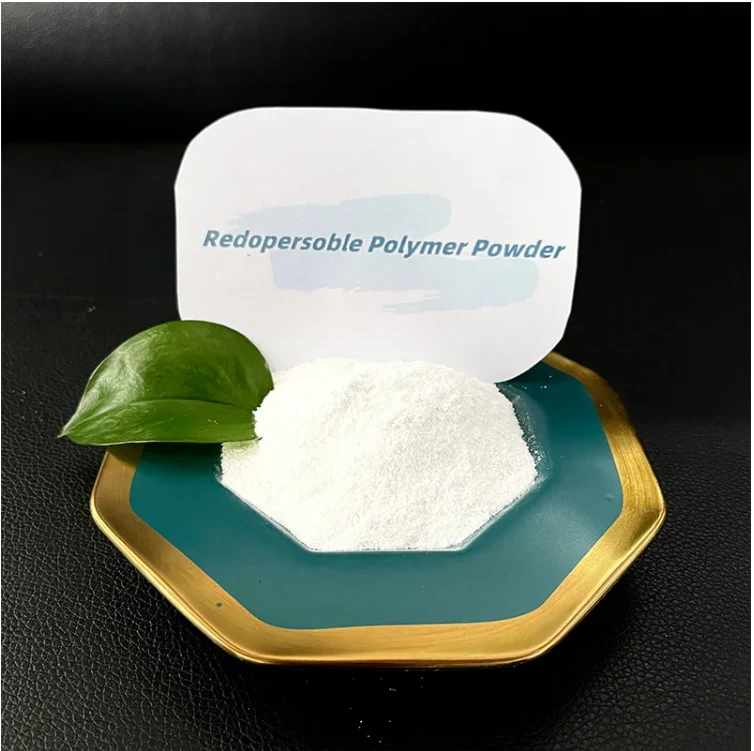
 presyo_ng_redispersible_polymer_powder
Oct . 25, 2025
For consumers and industry professionals searching for innovative food additives, sodium hydroxyprop -
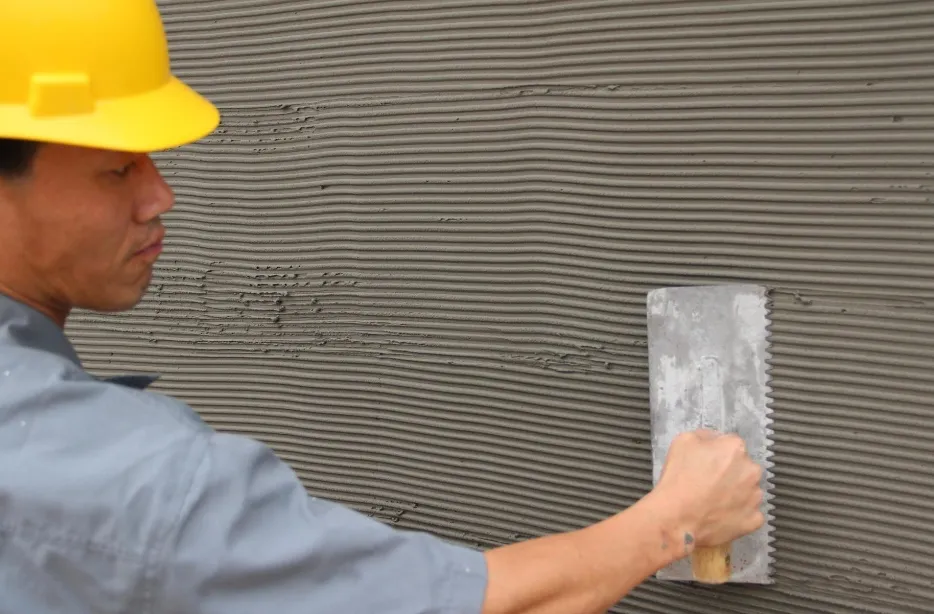
 polymer_powder_and_monomer_liquid
Oct . 25, 2025
Fiber polypropylene (PP) is increasingly becoming a staple in diverse industries due to its remarkab -
 hydroxypropyl_methylcellulose_in_cosmetics
Oct . 25, 2025
Hydroxypropyl Methyl Cellulose HPMC is a highly versatile cellulose ether widely used in various ind


